Pressure Washing vs Soft Wash Jacksonville FL: Which Method Does Your Home Actually Need? (2026 Guide)
Quick Overview — What You’ll Learn in 60 Seconds
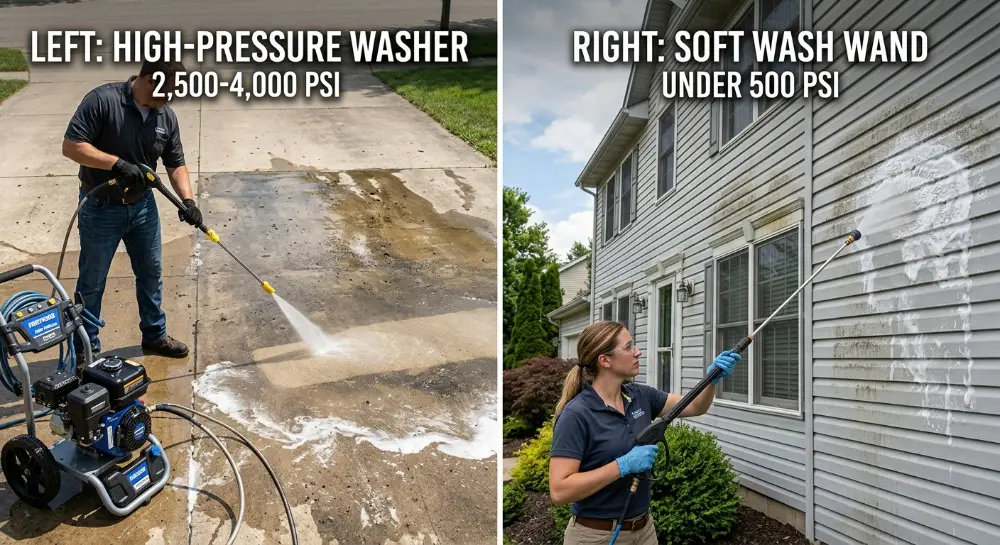
Direct answer: Pressure washing uses high-pressure water (2,500–4,000 PSI) to blast hard surfaces clean. Soft washing uses low-pressure water (under 500 PSI) combined with biodegradable cleaning solutions to kill biological growth at the root. For Jacksonville FL homes — most surfaces including roofs, siding, fence cleanings, and decks need soft wash, not pressure washing. Concrete driveways and brick paver sealings are the main exception where high pressure is appropriate.
Why This Decision Matters More in Jacksonville Than Almost Anywhere Else
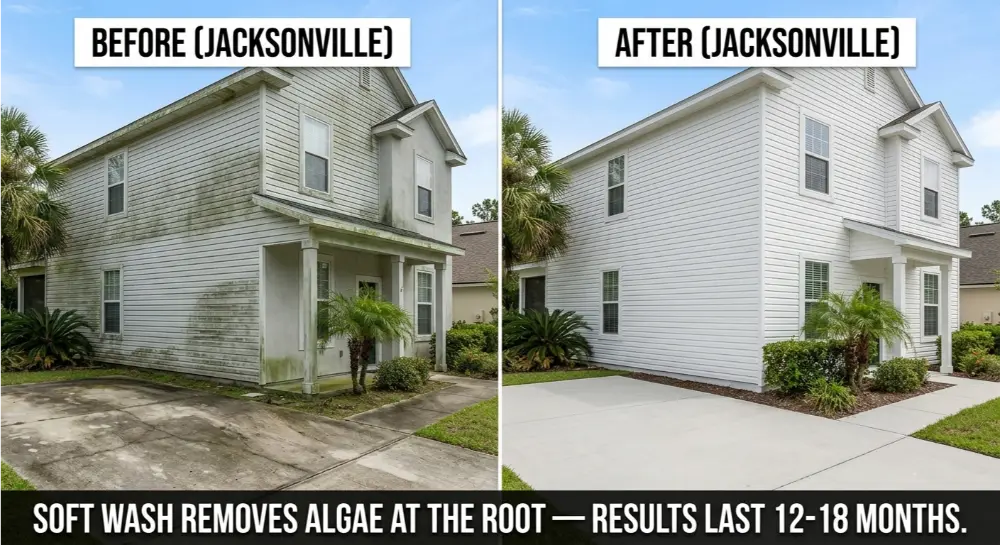
Jacksonville’s climate is not like most American cities. With 74–76% average humidity year-round, a zero-freeze climate, and proximity to the Atlantic and St. Johns River, biological growth — algae, mold, mildew, and Gloeocapsa magma — colonizes exterior surfaces at an accelerated rate. In most U.S. cities, a homeowner might see mold on their siding once every few years. In Mandarin, Riverside, Nocatee, and Ponte Vedra, it can return within 3–6 months of a standard pressure wash.
That’s the core problem: pressure washing removes biological growth from the surface. Soft washing kills it at the root. When you understand that distinction, the choice becomes clear.
What Is Pressure Washing?
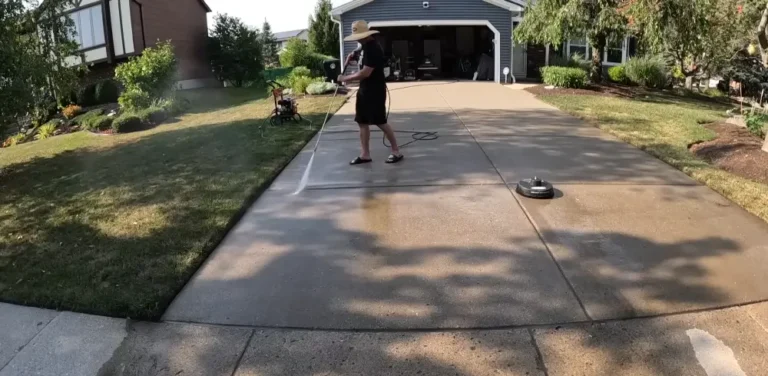
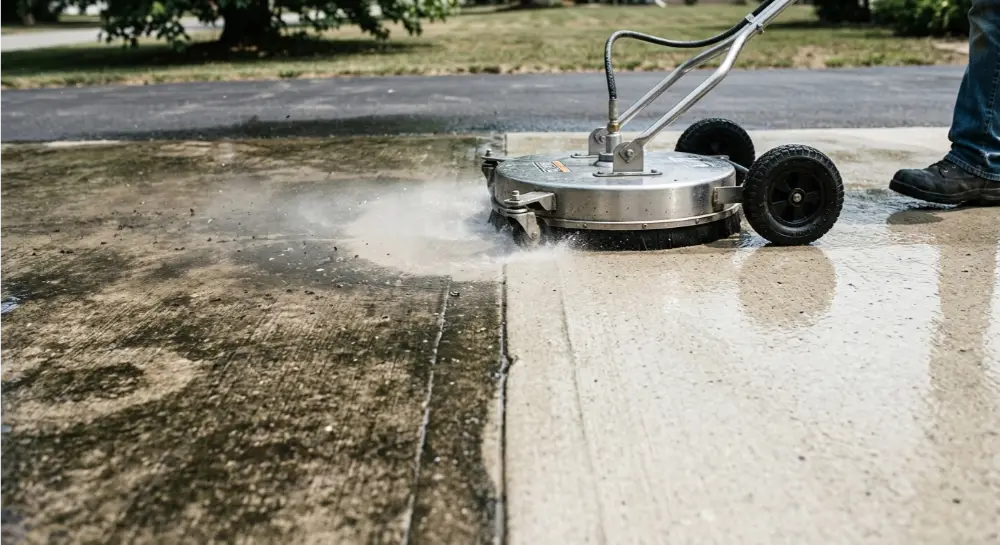
Pressure washing delivers water at high velocity — typically 2,500 to 4,000 PSI — to physically blast dirt, debris, and surface-level grime from hard exterior surfaces. The cleaning mechanism is entirely mechanical: force removes contaminants.
Pressure washing works well on:
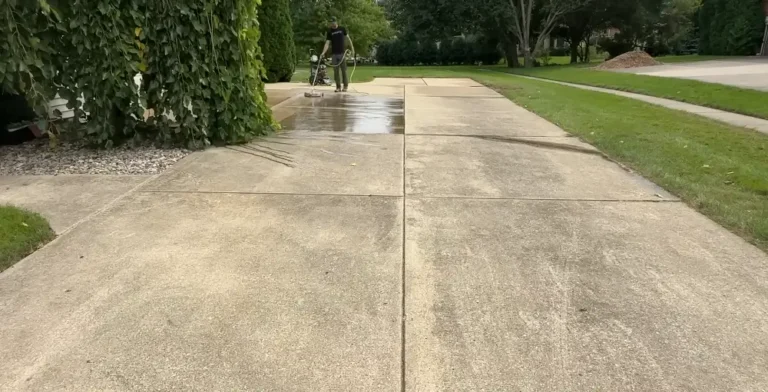
- Concrete driveways and sidewalks
- Brick pavers (carefully)
- Concrete block walls
- Parking lots and commercial hardscape
Why it works on these surfaces: Concrete is dense, non-porous at the surface level, and can tolerate high force without structural damage. The goal is to strip embedded dirt, oil stains, and surface mold — not to kill biological growth at the root.
What Is Soft Washing?
Soft washing delivers water at very low pressure — typically 100 to 500 PSI, similar to a garden hose — combined with biodegradable cleaning chemistry that kills algae, mold, mildew, bacteria, and Gloeocapsa magma at the cellular level. The cleaning mechanism is chemical, not mechanical.
The primary active ingredient in professional soft wash solutions is sodium hypochlorite (SHC) — the same base compound as household bleach but applied at precisely calibrated concentrations specific to each surface type. Surfactants help the solution cling to vertical surfaces. A biocide component kills biological growth at the root so results last significantly longer.
Soft washing works on:
- Vinyl siding, Hardie board, wood siding, stucco, coquina, EIFS
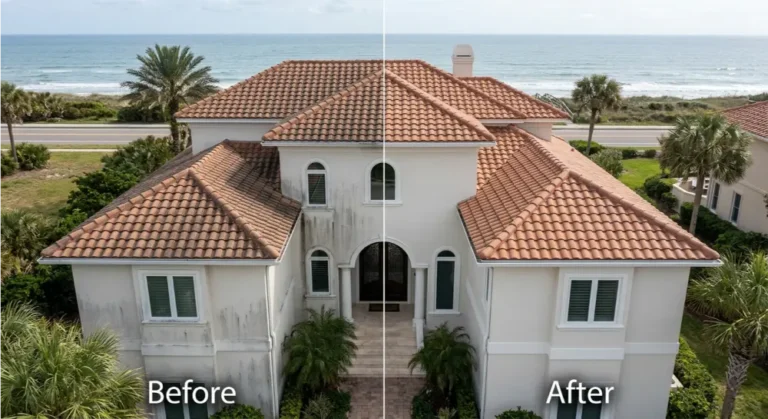
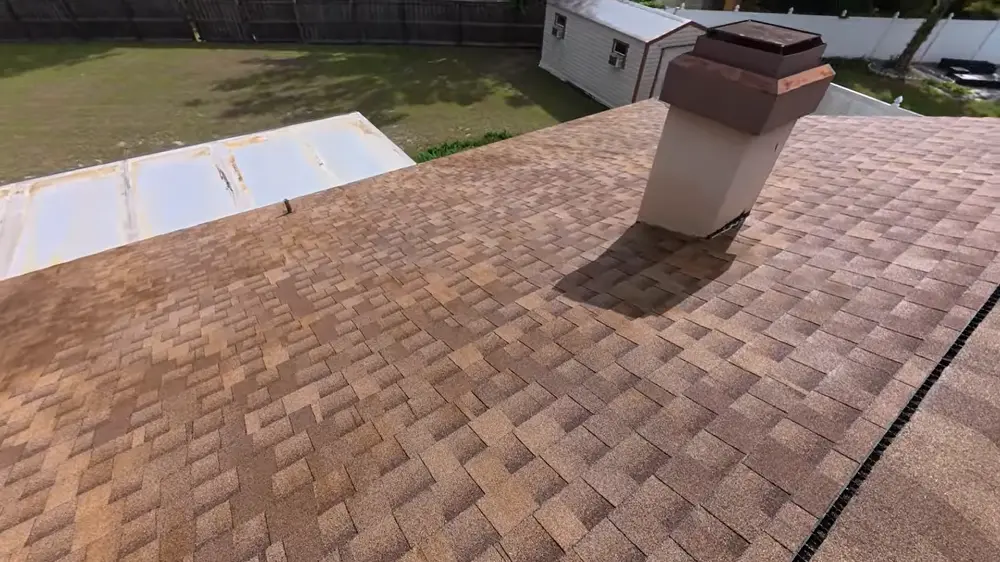
- Asphalt shingle roofs, tile roofs, metal roofs
- Wood and composite decks
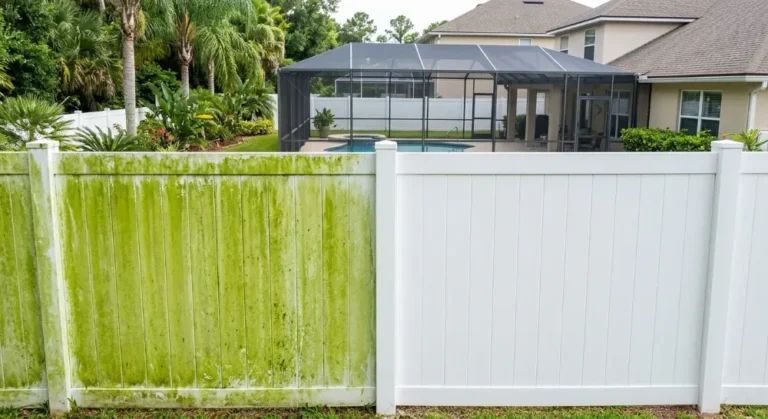
- Vinyl, aluminum, and wood fences
- Pool decks (natural stone and pavers)
- Gutters and fascia
The ARMA Standard: What the Roofing Industry Says
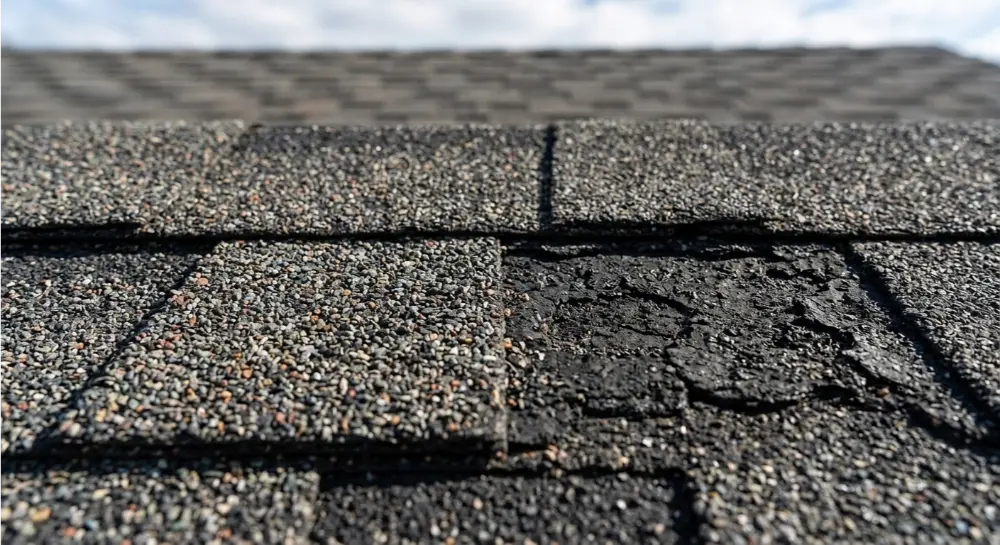
The Asphalt Roofing Manufacturers Association (ARMA) — the governing body for roofing standards in the United States — is unambiguous: high-pressure washing of asphalt shingle roofs is not an approved cleaning method and voids most manufacturer warranties.
ARMA recommends “low-pressure chemical treatment” — which is exactly what professional soft washing delivers. High-pressure water blasts protective granules off asphalt shingles, prematurely aging the roof and voiding the warranty. In Jacksonville’s intense sun, a de-granulated roof degrades rapidly.
At HydroVexa, every roof we clean uses ARMA-compliant soft wash methodology — no exceptions.
Surface-by-Surface Guide: Pressure Wash or Soft Wash?
| Surface | Recommended Method | Why |
|---|---|---|
| Concrete driveway | Pressure wash | Dense, non-porous, tolerates high force |
| Vinyl siding | Soft wash | High pressure forces water behind panels |
| Hardie board / fiber cement | Soft wash | High pressure strips paint, voids warranty |
| Stucco | Soft wash | High pressure cracks and pits textured finish |
| Coquina (common in Jacksonville) | Soft wash | Extremely porous — high pressure causes cracking |
| Asphalt shingle roof | Soft wash | ARMA-prohibited; high pressure de-granulates |
| Tile roof | Soft wash | High pressure cracks tiles and breaks mortar |
| Wood deck | Soft wash + low pressure | Gentle clean preserves wood fiber integrity |
| Composite / Trex deck | Low pressure only (under 1,500 PSI) | Scratches and whitens composite surface |
| Vinyl fence | Soft wash | High pressure splits vinyl and forces dirt into seams |
| Pool deck (concrete) | Pressure wash | Hard surface tolerates force |
| Pool deck (travertine/natural stone) | Soft wash | pH-neutral chemistry only — acid etches stone |
Why Jacksonville Homeowners Get This Wrong (And What It Costs)
The most common mistake Jacksonville homeowners make is hiring a “pressure washing” company and assuming they’ll use the right method for every surface. Many low-pressure washing cost operators own one type of equipment — a standard high-pressure machine — and use it on everything from driveways to roofs to siding.
Common damage from wrong method:
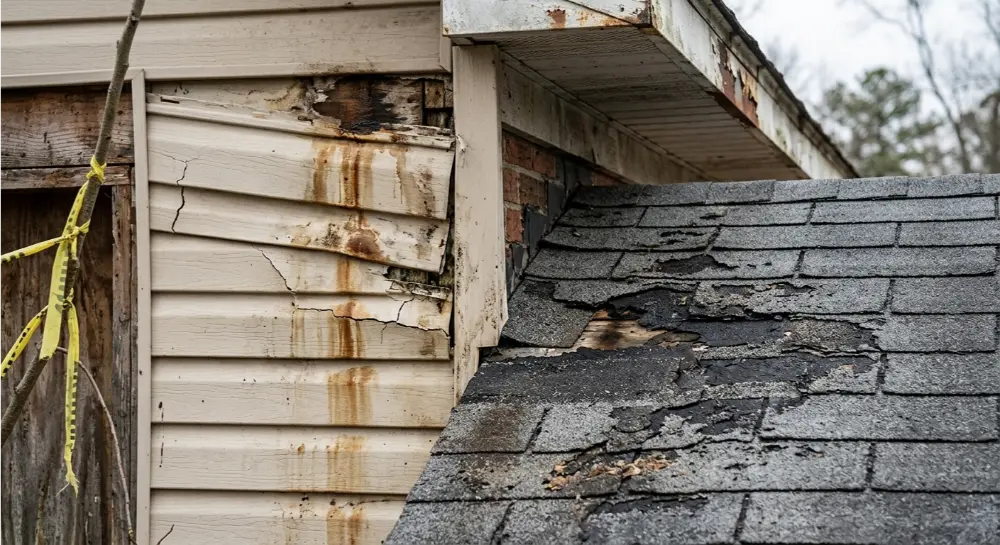
- Vinyl siding with water intrusion behind panels → mold inside walls ($3,000–$15,000 remediation)
- Asphalt roof with granules stripped → 5–10 years off roof lifespan ($8,000–$25,000 replacement)
- Stucco with cracks and pitting → recoat or repair ($1,500–$6,000)
- Composite deck with surface scratching and grey streaking → not reversible
The right question to ask any exterior cleaning company is not “do you pressure wash?” — it’s “what method do you use on roofs and siding, and what PSI?”
Frequently Asked Questions
Q: Is soft washing safe for plants and landscaping?
A: Yes — professional soft washing includes pre-wetting all landscaping before application and thorough post-rinse of surrounding soil. HydroVexa covers plants and protects landscaping on every job.
Q: How long do soft wash results last in Jacksonville’s humidity?
A: Most Jacksonville exteriors stay clean for 12–18 months after a professional soft wash. Roofs typically hold for 2–4 years.
Q: Can I rent equipment and soft wash my own house?
A: The equipment is rentable but the chemistry is not — professional-grade sodium hypochlorite at proper concentrations requires licensing in Florida. Most homeowners find the risk-to-reward ratio favors hiring a licensed professional.
Q: Does soft washing remove oil stains from my driveway?
A: Soft wash chemistry is not formulated for oil and grease on concrete — that requires hot water pressure washing with commercial degreaser.
The Bottom Line
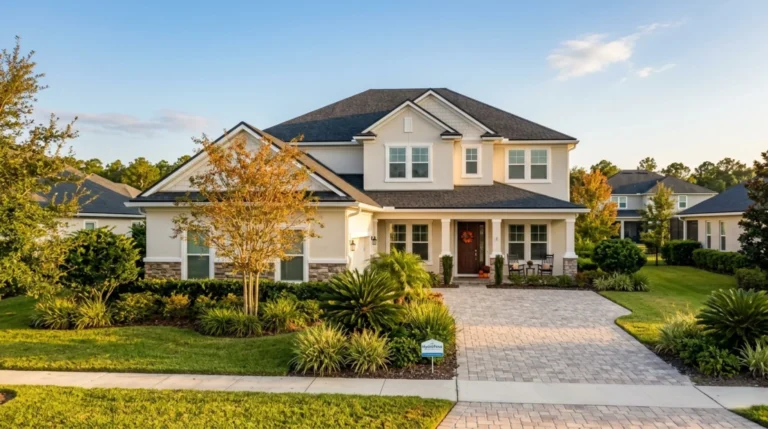
In Jacksonville FL, most surfaces need soft wash, not pressure wash. The humidity, zero-freeze climate, and biological load from oaks, coastal air, and the St. Johns River mean that surface-level cleaning delivers surface-level results. Killing organic growth at the root — the way soft wash works — is the only method that produces results that last.
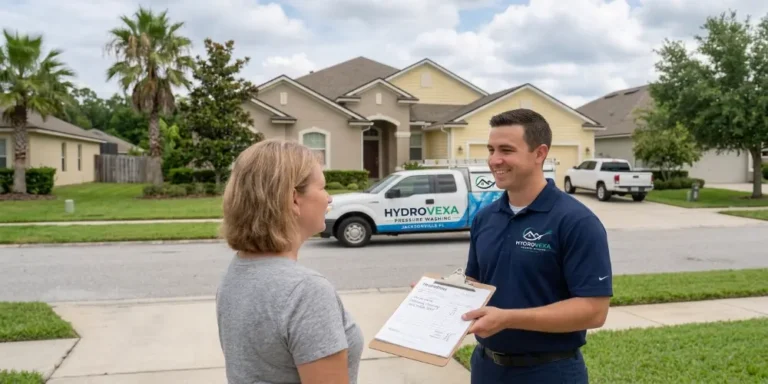
When you’re ready for an estimate that specifies the right method for every surface on your property, HydroVexa provides free written quotes with zero surprises. Call (904) 893-2707 or request online — same-week scheduling available across Duval, St. Johns, Nassau, and Clay counties.